When Should Uterine Fibroid Symptoms Be Evaluated by a Doctor?
Wiki Article
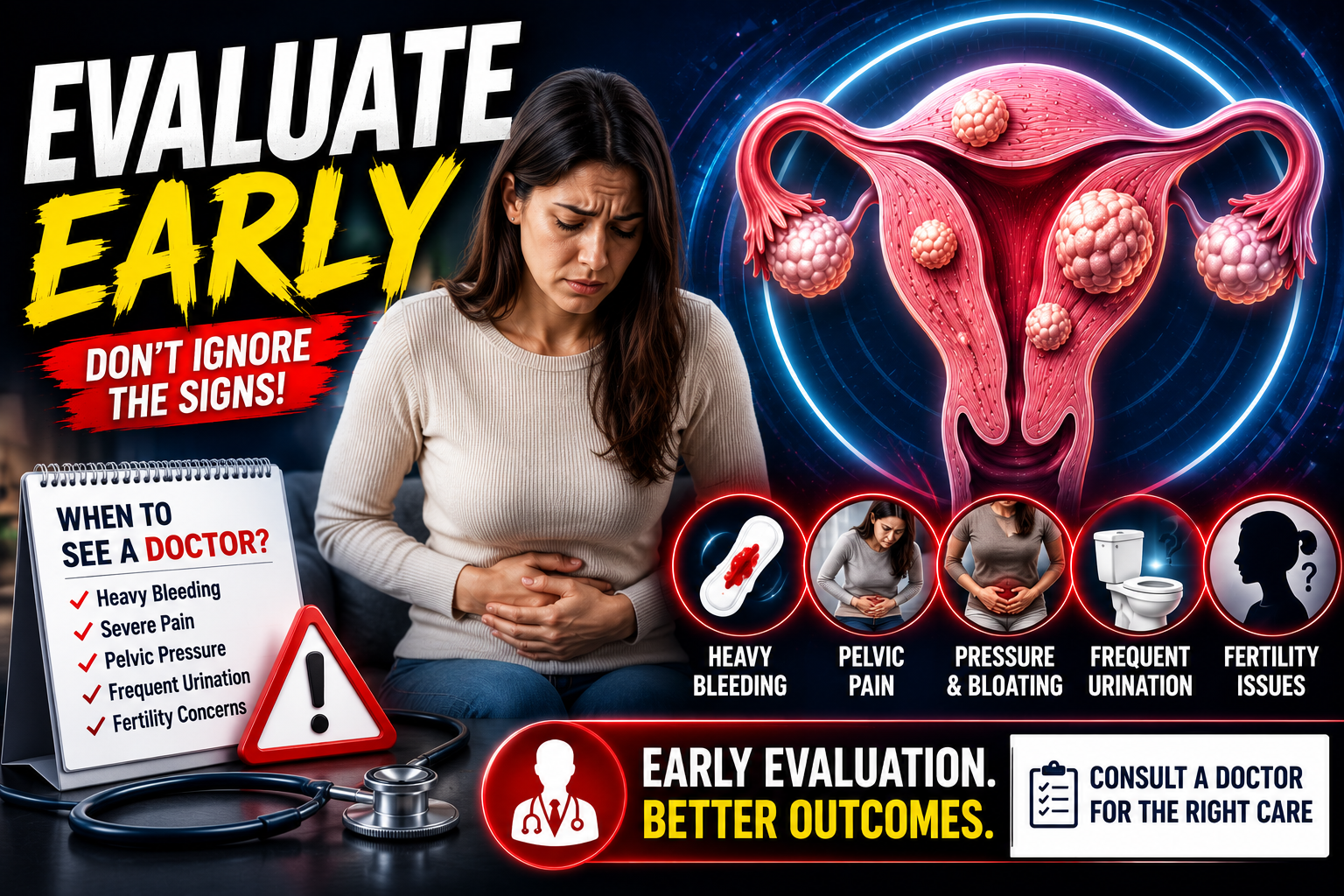
Uterine fibroid symptoms should be evaluated by a doctor if they become persistent, interfere with daily life, or are associated with heavy menstrual bleeding, pelvic pain, pressure symptoms, or fertility concerns. While many fibroids cause few or no symptoms, others can significantly affect a woman's quality of life. Early medical evaluation helps determine whether symptoms are caused by fibroids, assess their size and location, and identify the most appropriate treatment approach.
Many women assume heavy periods or pelvic discomfort are a normal part of aging or menstruation. However, recognizing uterine fibroid symptoms early can lead to timely diagnosis and help prevent symptoms from becoming more severe.
What Are the Common Symptoms of Uterine Fibroids?
Not every fibroid causes symptoms.
When symptoms occur, they commonly include:
Heavy or prolonged menstrual bleeding
Pelvic pain or pressure
Frequent urination
Constipation
Lower back pain
Pain during intercourse
A feeling of fullness in the lower abdomen
The type and severity of symptoms often depend on the size, number, and location of the fibroids.
When Is Heavy Menstrual Bleeding a Concern?
Heavy menstrual bleeding should not be ignored if it:
Lasts longer than usual
Requires frequent pad or tampon changes
Interferes with work or daily activities
Causes fatigue or weakness
According to the American College of Obstetricians and Gynecologists (ACOG), heavy menstrual bleeding is one of the most common symptoms associated with uterine fibroids and should be medically evaluated.
Should Persistent Pelvic Pain Be Evaluated?
Yes.
Women should consult a doctor if pelvic pain:
Persists between menstrual periods
Gradually becomes worse
Affects daily activities
Is accompanied by pelvic pressure
Persistent discomfort may indicate that fibroids are pressing on surrounding tissues or organs.
Can Pressure Symptoms Indicate Large Fibroids?
Yes.
Growing fibroids can press against nearby organs, leading to symptoms such as:
Frequent urination
Difficulty emptying the bladder
Constipation
Abdominal fullness
Pelvic heaviness
These symptoms should be assessed to determine whether fibroids are responsible.
When Should Fertility Concerns Prompt Medical Evaluation?
Women who are having difficulty becoming pregnant or have experienced recurrent pregnancy complications should discuss these concerns with their doctor.
Depending on the clinical situation, evaluation may include:
Pelvic examination
Pelvic ultrasound
MRI when additional detail is needed
Fibroids do not always affect fertility, but their size and location can influence reproductive outcomes in some women.
How Are Uterine Fibroids Diagnosed?
Doctors usually begin with:
A detailed medical history
A pelvic examination
Imaging studies commonly include:
Pelvic ultrasound
MRI for complex cases
These investigations help determine:
Number of fibroids
Size
Location
Whether treatment is required
The National Institute for Health and Care Excellence (NICE) recommends imaging to accurately assess fibroids and guide treatment decisions.
When Is Treatment Recommended?
Treatment is usually considered when fibroids cause:
Heavy menstrual bleeding
Persistent pelvic pain
Pressure on the bladder or bowel
Fertility concerns
Symptoms that reduce quality of life
One minimally invasive option is Uterine Artery Embolization (UAE). Performed by an interventional radiologist, UAE uses a thin catheter to deliver tiny embolic particles into the uterine arteries supplying the fibroids. By reducing their blood supply, the fibroids gradually shrink, relieving symptoms while preserving the uterus.
Are There Symptoms That Need Immediate Medical Attention?
Women should seek prompt medical care if they experience:
Extremely heavy vaginal bleeding
Severe pelvic pain that develops suddenly
Fainting or dizziness associated with heavy bleeding
Rapid enlargement of the abdomen
Bleeding after menopause
These symptoms may indicate fibroids or another gynecological condition requiring urgent evaluation.
Conclusion
Uterine fibroid symptoms should be evaluated by a doctor whenever they become persistent, worsen over time, or interfere with daily life. Heavy menstrual bleeding, pelvic pain, pressure symptoms, fertility concerns, and postmenopausal bleeding all deserve medical attention. Early diagnosis allows doctors to determine whether monitoring is sufficient or whether treatment is needed to relieve symptoms and protect long-term reproductive health.
For women requiring treatment, minimally invasive procedures have expanded the available options beyond traditional surgery. Uterine Artery Embolization offers a uterus-preserving, non-surgical treatment that reduces the blood supply to fibroids, allowing them to shrink while improving symptoms. Women seeking expert evaluation can consult an interventional radiologist Jaipur to discuss the most appropriate treatment based on their symptoms, imaging findings, and future reproductive goals.
Frequently Asked Questions
When should I see a doctor for uterine fibroid symptoms?
You should seek medical evaluation if you experience heavy menstrual bleeding, persistent pelvic pain, pressure symptoms, fertility concerns, or symptoms that affect your daily life.
Can uterine fibroids cause frequent urination?
Yes. Large fibroids can press on the bladder, leading to frequent urination or difficulty emptying the bladder completely.
How are uterine fibroids diagnosed?
Doctors usually diagnose fibroids through a pelvic examination and imaging tests such as a pelvic ultrasound or MRI when more detailed evaluation is needed.
Does every woman with fibroid symptoms need treatment?
No. Treatment depends on the severity of symptoms, the size and location of the fibroids, and the woman's overall health and reproductive plans.
Is Uterine Artery Embolization a non-surgical treatment?
Yes. Uterine Artery Embolization is a minimally invasive, image-guided procedure that treats fibroids by blocking their blood supply, helping them shrink without removing the uterus.
Report this wiki page